
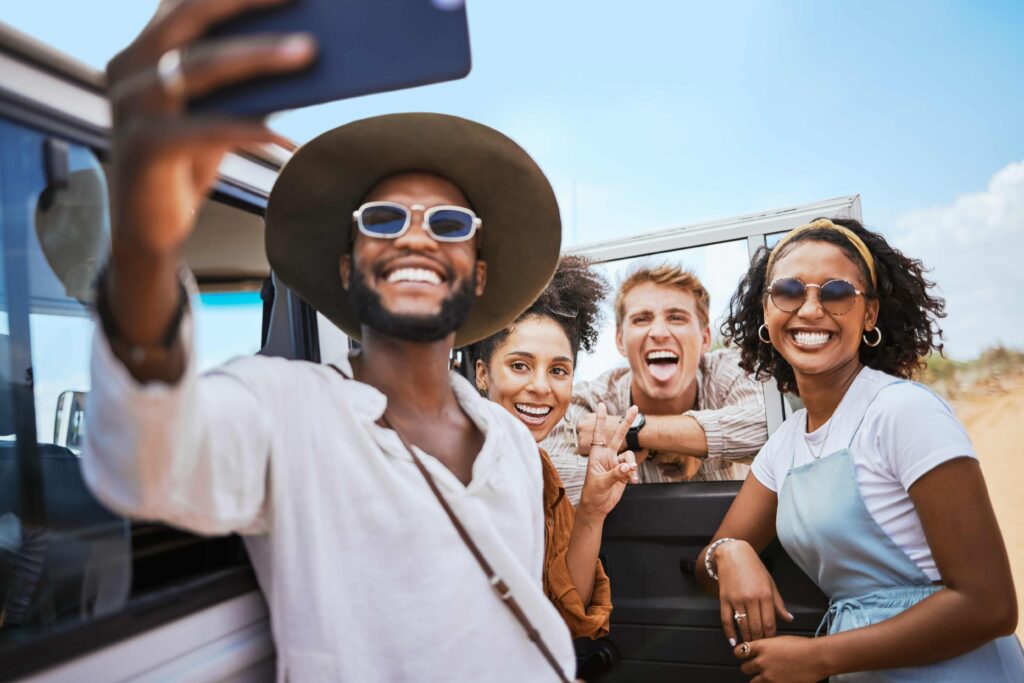
The next generation of Hospitality Leaders won’t just deliver experiences, they’ll redefine them
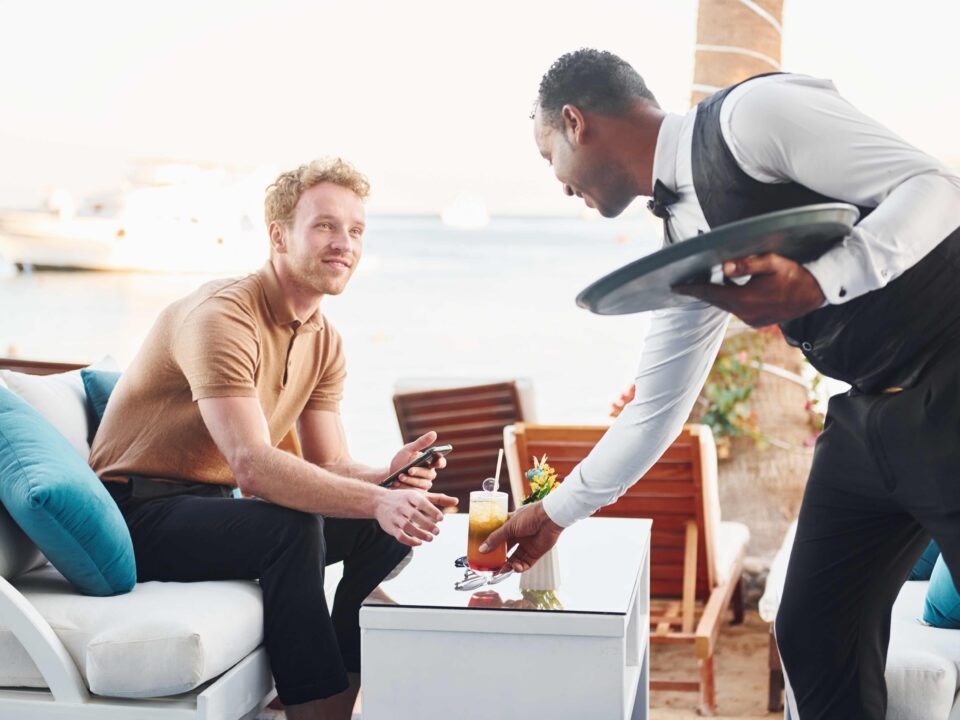
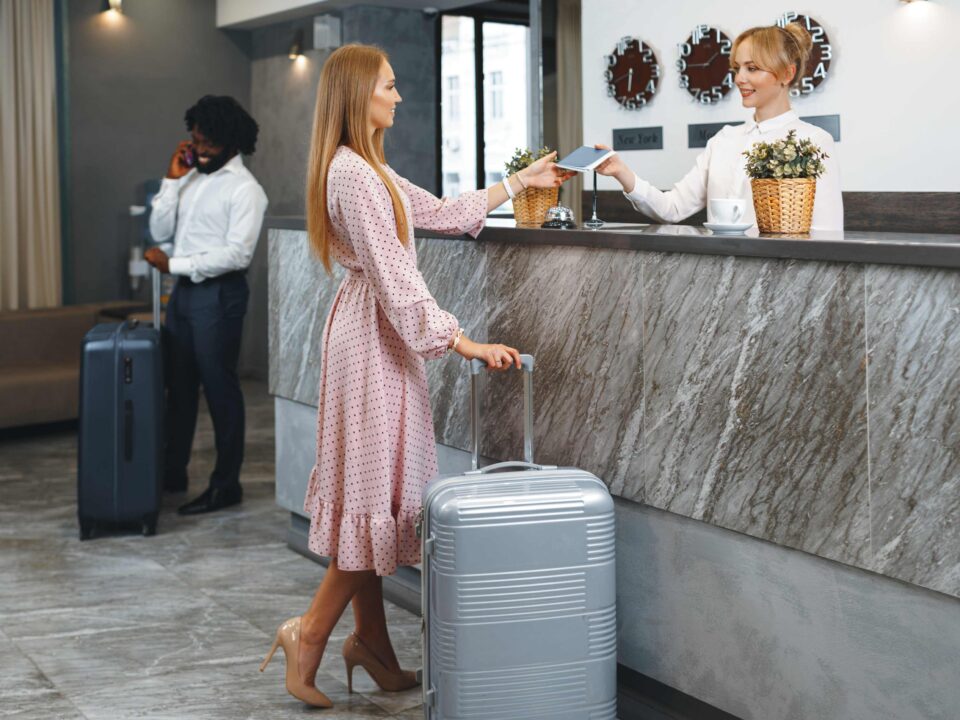
Great hospitality comes down to a single moment that every experienced industry professional looks for. It’s not when a guest checks in or sits down. It’s when their expressions change, when something unexpected happens, something personal, something that makes them feel genuinely seen.
That moment is what is called the Experience Economy. It means businesses don’t just sell services anymore. They sell special, meaningful moments. This is what’s changing the whole hospitality industry.
People no longer travel only to see new places. They travel to feel something, and this shift is shaping the future of hospitality.
The Change That’s Changing Everything
Not long ago, a clean room, a good meal and a smooth check-in were enough. If you did these well, you were successful. Today, expectations are higher.
The global travel experiences market is growing fast. According to Statista¹, it was expected to reach about $360 billion in 2025, while the wider travel and tourism sector contributed $10.9 trillion to the global economy in 2024 and supports ±348 million jobs worldwide, based on World Travel & Tourism Council (WTTC)4 data.
That isn’t due to people booking generic sightseeing tours. It’s driven by experiences. Travellers who want to cook with a local family in Tuscany, join a private tea ceremony in Kyoto, swim with whale sharks off a remote coastline or sit at a chef’s table where the meal tells the story of an entire culture. Behind every one of those choices is the same underlying impulse: people wanting real connections.
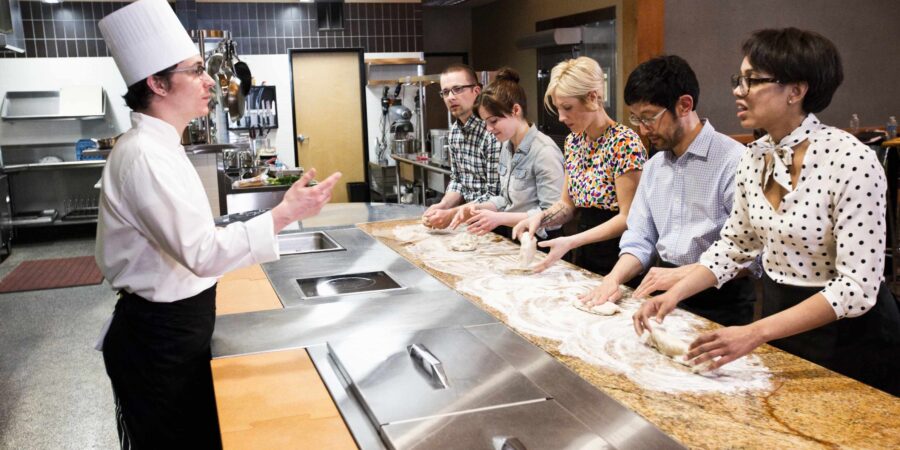
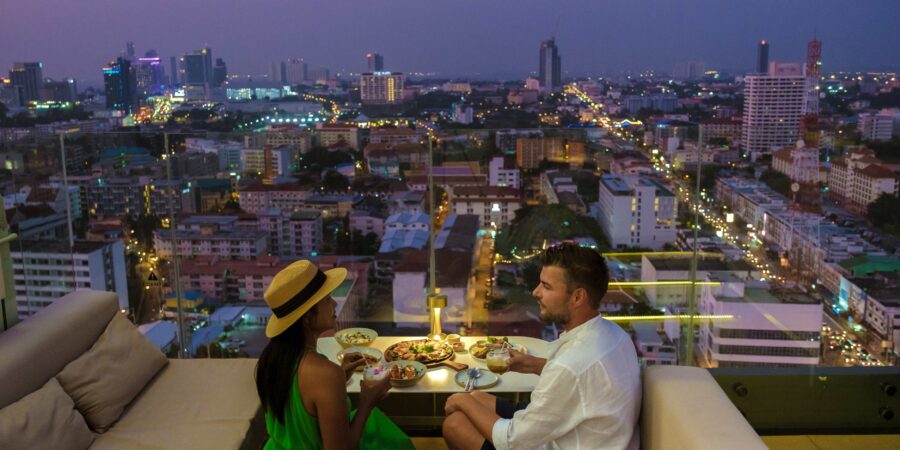
Food experiences rank among the most preferred forms of travel worldwide, according to the World Food Travel Association’s Food Travel Monitor², and are the leading choice for solo travellers, ahead of cultural and adventure activities.
Similarly, wellness tourism is also among the fastest expanding categories in travel, according to the Global Wellness Institute³. This shows just how much well-being has become a key factor in where and how people choose to holiday.
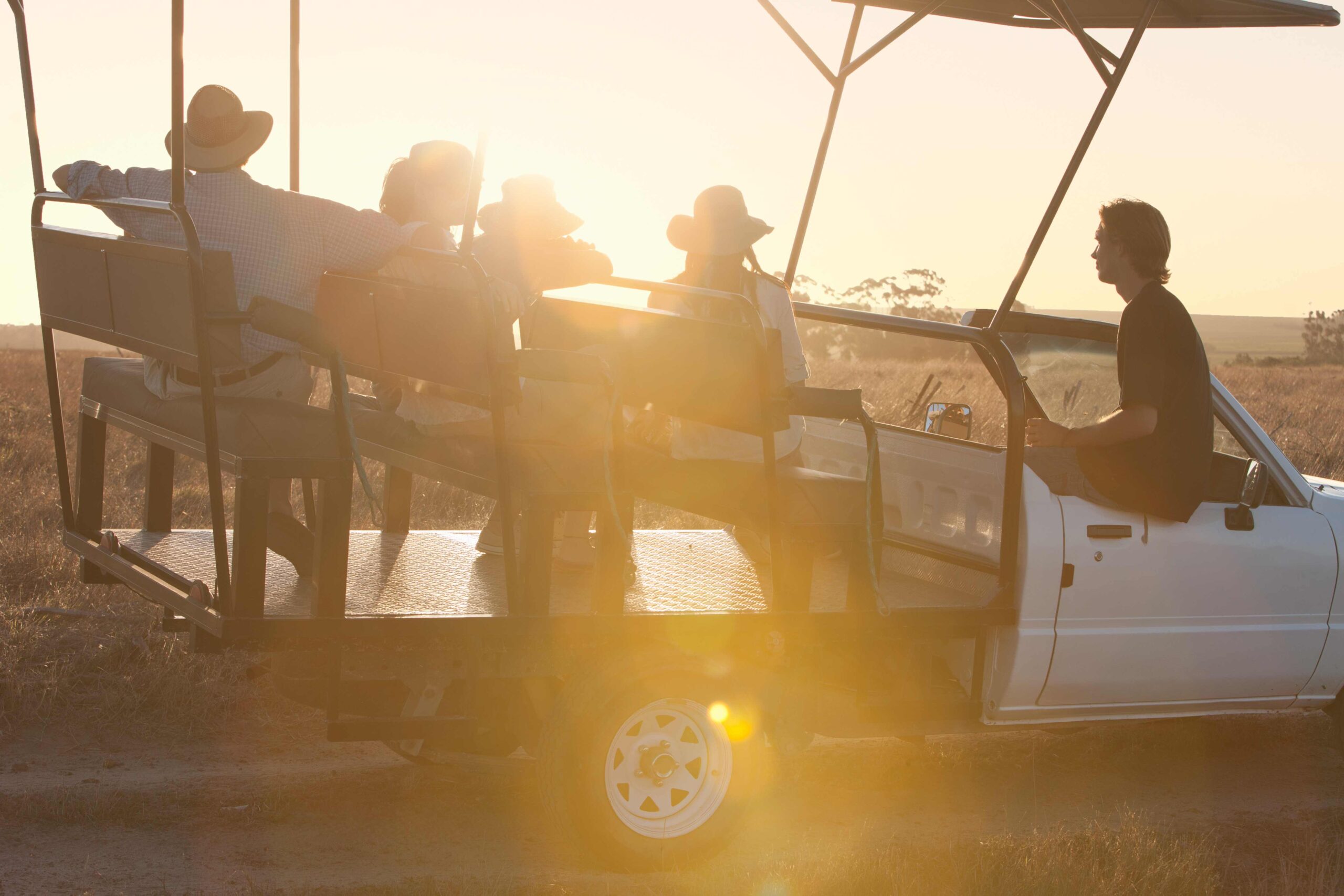
Today’s travellers want to connect more deeply with a destination: its history, culture and way of life. Guests want more than comfort at a luxury safari lodge. They want to experience the wildness of the bush and understand the environment. A diner at an exceptional restaurant isn’t just looking for good food. They want a story, a memory worth taking home.
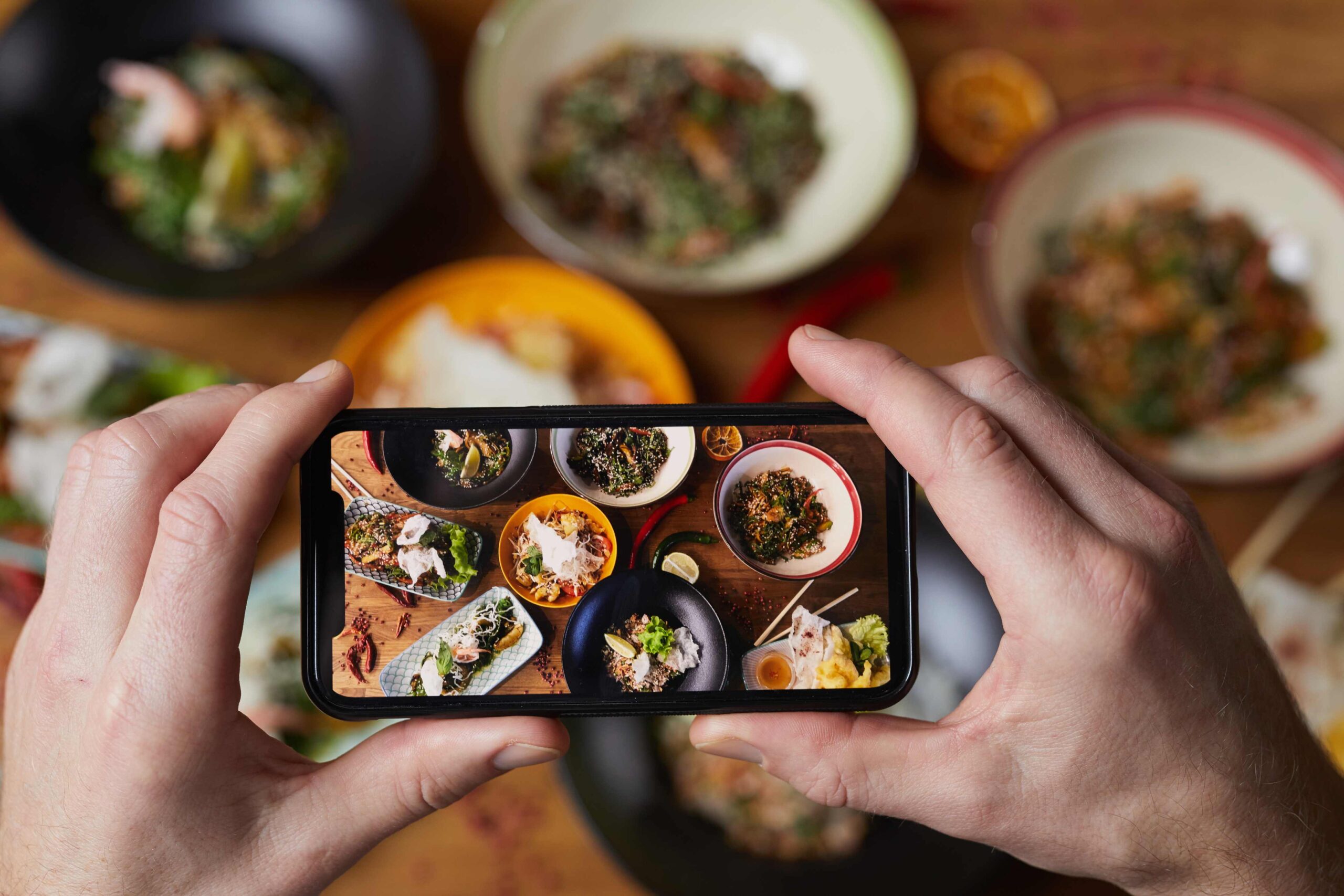
Social media has boosted the shift toward experiences, with many people now using Instagram and TikTok as their main source for travel and dining inspiration. This makes shareable experiences a powerful form of marketing.
That visibility is having a real commercial impact across hospitality. Restaurants, spas, event venues and hotels are finding that guests who feel genuinely connected to an experience don’t just return, they recommend it to others. When this happens, businesses earn loyalty no discount can buy and build reputations that support premium pricing.
Exceptional Career Opportunities
For those entering the industry, this is a genuinely exciting time. The World Travel & Tourism Council⁴ projects the sector will need an additional 126 million workers by 2033 to meet growing global demand. This shows a significant amount of opportunity across luxury hotels, experiential events, wellness retreats, fine dining and beyond.
Meeting this huge demand will rely on the skills that define the experience economy: creativity, emotional intelligence, cultural curiosity and the ability to create memorable moments. These deeply human qualities cannot be replicated by technology, and they are increasingly what the world’s best hospitality brands are looking for in professionals.
IHS: Built for the Experience Economy
This is precisely the world IHS is preparing its students to lead.
Across Hospitality Management, Luxury Brand Management, Events and Culinary Arts, IHS sits at the forefront of this new era. Students don’t just learn how hospitality works. They learn how experiences are shaped, how emotions are stirred and how to create the kind of moments that define a brand, build loyalty and leave lasting impressions.
That knowledge is everything in today’s hospitality landscape. Because the Experience Economy isn’t a trend – it’s where the industry is going, and IHS is already there.
Sources:
